Category Office Cleaning Chat

The Specific Challenges Of Cleaning High-tier Executive Offices

I have cleaned offices across London for years, yet high-tier executive spaces stand apart from everything else. These rooms hold influence, wealth, and company reputation. They demand a different standard. They ask for precision, respect, and discipline. They also expose every flaw in a cleaner’s routine.
This article explains the challenges linked to maintaining these spaces. I will draw on real experiences inside global companies and worldwide recognisable brands, where every day carried new expectations.


The High Expectations Behind Executive Spaces

Executive rooms stand as polished statements. They sit at the top of the building, both physically and symbolically. A visitor walks into these spaces and makes instant judgements about the company. My work shapes part of that reaction. Dust on a single surface can work against the atmosphere these rooms aim to create. This heavy sense of responsibility forms the first major challenge.

Standards That Leave No Room For Casual Oversights

Small mistakes stand out more in an executive setting. A streak on a glass table remains visible from across the room. A missed mark on a leather chair looks careless next to premium décor. A fingerprint on a display screen draws attention away from the purpose of the room.

I often enter an office at dawn and feel the tension of the task as soon as I see the layout. Minimalist interiors expose flaws. Neutral tones show dust quickly. High-end finishes highlight smears. These environments require measured, controlled movements and a clear plan.
A single shortcut never stays hidden.

The Pressure Of Representing A Global Brand

Large organisations expect every contractor to defend their image. Cleaners stand inside that expectation. The atmosphere changes once a manager or director notes the quality of your work. I have walked into rooms where visiting partners from other countries settled deals that influenced whole markets.
Those rooms had to set the right tone. The pressure rose whenever I heard a PA say, “They need to use the boardroom in ten minutes.” That simple comment changed the pace of my whole routine.

A cleaner’s work becomes part of the silent presentation. You need to show consistency and reliability at every visit. These spaces do not forgive rough edges.


Security And Confidentiality Challenges

Large firms treat executive floors differently from standard office areas. Security protocols guide every step. I have worked in buildings with turnstiles, facial recognition scanners, badge-coded lifts, and restricted corridors. A cleaner must fit into these systems without interrupting the flow of staff.

The Tight Protocols You Must Follow

Access rules for executive floors often shift throughout the day. Some firms only grant cleaning access during narrow time slots. Others require security escorts. Some require sign-in sheets for each room. This adds complexity to even simple tasks.

I often needed to wait outside a door until a security officer gave clearance. I sometimes had to adjust my entire shift when an office became occupied without warning. These rules protect the company, yet they slow the cleaning process and create delays that you cannot control.
You learn patience, discipline, and the value of planning around strict windows.

Sensitive Documents And Devices Left Out

A desk on an executive floor may hold confidential files, personal devices, or briefing notes. Cleaners cannot touch these items. You cannot move or adjust piles of documents, even if they block the desk surface you need to clean.
The challenge lies in working around objects while protecting the integrity of the desk layout.

I recall a morning where a chair faced a desk covered with hand-written notes. My instructions were clear: do not shift anything. I had to clean every edge and corner without disturbing a single page. Tasks like this slow down the process, yet they protect trust.
The risk of touching the wrong item remains high, so careful judgement becomes part of the job.


Working With High-end Features And Materials

Executive spaces often reflect personal taste. Directors choose premium materials. Company designers install expensive fixtures. These items require specialist care. The margin for error remains slim.

Fragile Furniture And Luxury Fixtures

You may find marble tables that demand pH-neutral products. You may face leather chairs that require gentle conditioners. You may see glass walls that show even light residue. Brushed metal marks easily. Dark wood needs precise polishing.
I once cleaned a bespoke desk with a live-edge finish that cost more than most cars. The fear of leaving a single mark stayed with me the entire time. Experience helps, yet each room brings different materials and different risks.

I often carry separate cloths for separate surfaces. I check products twice before using them. These spaces leave no room for trial and error. One wrong product choice can cause permanent damage.

Art, Collectibles, And Items You Can’t Touch

Some executive offices hold rare art pieces, signed items, or personal collections. These objects carry sentimental or financial value. Cleaners must avoid them.
It feels strange to clean near a framed print worth thousands or a sculpture placed in an awkward position beside a window.

One office I serviced contained a vintage globe signed by several political figures. My supervisor warned me never to touch it. I cleaned the area around it slowly, aware that a single knock would cause a serious incident.
Such objects increase the pressure of the job. You need calm hands and steady judgement.


Scheduling Challenges At The Top Level

Time forms one of the most difficult aspects of cleaning executive floors. These spaces remain active at all hours. The timetable of a director can shift by the minute. Cleaners need to adapt to that rhythm.

Unpredictable Executive Diaries

Executives often host unscheduled meetings. They travel often. They hold calls that run past their planned time. This shapes the cleaning routine. One morning you may expect a clear window, only to find the office occupied without warning.

I have waited outside boardrooms for long stretches as meetings ran past midnight. I have stepped back from an office I had only just entered because a director returned early. These disruptions restrict progress. You must think quickly and fit your tasks into whatever time remains.

Cleaning Overnight, Early Morning, Or On Call

Many firms prefer executive cleaning outside standard hours. This means visits during early mornings, late nights, or split shifts. The building feels silent at these times. The lift chimes echo. The air stays cold.
The job demands focus despite the odd hours.

Some companies use on-call arrangements where a cleaner must remain available during certain periods. I have had nights where a single message sent me back to the office tower to prepare a room for a sudden meeting.
The workload becomes unpredictable, yet the service must stay consistent.


The Human Side Of High-ranking Clients

Executives bring their own expectations. These can shape the entire process. Their personal preferences must often be followed with precision.

Personal Preferences You Must Get Right

Directors may want chairs positioned at certain angles. They may want refreshments arranged in a set pattern. They may expect blinds to sit at a particular height. They may expect their desk items placed exactly where they left them.

I once cleaned for a director who lined up pens in a straight row. The tiniest shift would have caused annoyance. I had to polish around the stationery without altering the layout.
These routines become part of the service. A cleaner must treat each office as a personalised environment rather than a standard workspace.

Handling Staff Who Hover Or Observe

PAs often stay close to the office, especially during high-pressure weeks. Some observe every movement to ensure standards remain high. Security personnel may also stand nearby.
This changes the atmosphere of the job. Your routine becomes slower and more deliberate.

I recall a night where a PA watched me prepare a boardroom for a morning event. She never spoke. She simply monitored the process. I kept my movements steady and clear. Scenarios like this require composure.


Why Detail Makes Or Breaks The Whole Service

Detail controls the quality of executive office cleaning. These spaces live or die on presentation. Even a light oversight weakens the whole effect.

The Visual Weight Of Perfection In Premium Offices

Minimalist design means every mark stands out. Sparse décor leaves no places to hide. Light levels tend to be high. Materials reflect. Smudges catch the eye.
A cleaner must review each surface from different angles. I often stand at the doorway before leaving to assess the full picture. A room needs to feel complete.

This level of attention takes time. It also demands patience. Yet it defines the standard expected at this level of service.

Little Acts That Earn Huge Trust

Trust grows from consistency. Executives notice reliable patterns. They may not mention them, yet they value them.
I have received quiet thanks from managers who appreciated the care placed into their workspace. Those moments matter. They confirm that attention to detail strengthens the relationship between cleaning teams and senior staff.

Small touches carry weight. Straight edges, clean corners, polished fixtures, and fresh scents all play a part. These elements support the wider goals of the organisation.
It Comes With The Territory: How To Communicate With High-Level Corporate Executives

The Meeting That Taught Me Everything

I’ll never forget the day I was called up to clean a boardroom in Canary Wharf—last-minute emergency, glass walls covered in smears, someone’s coffee spillage baked into the carpet, and everything needed to be spotless in an hour. But that wasn’t the problem. The real test came when the CFO of a major banking firm popped in during the job and asked, “How long do you reckon this will take?”

Now, I’ve handled stubborn stains, irate receptionists, and forgotten keys at 3am. But a direct question from a C-suite executive? That was something else. I looked him in the eye, gave him a clear time frame, and explained what I was doing to fix the damage. He nodded and left me to it. Simple exchange. But afterwards, the office manager told me he was impressed—not just with the clean, but with how I’d handled myself. That little moment? It got me a regular contract that’s still going strong five years on.

So what’s the answer to the question in the title? Simple. You must know how to talk to execs if you want to survive and thrive in high-end office cleaning. If you think it’s all about scrubbing floors and wiping desks, you’re only half right. In places where image is everything, the way you communicate counts just as much as your mop technique.

Let’s dig into how to hold your own in the top floors of London’s towers.


If You Think Communication Isn’t Crucial, Think Again

Cleaning Skills Are Not Enough

I’ve worked in some of the most prestigious offices in the City. Hedge funds, creative agencies, law firms—you name it. And while every place wants gleaming windows and pristine loos, what they really value is trust. And that trust is built, maintained, and sometimes even repaired, through how you talk.

You might think, “I’m just here to clean, not to chat.” Fair enough. But here’s the problem: silence gets misread. If something goes wrong and you haven’t explained why or what you’re doing to fix it, they’ll assume the worst. On the flip side, clear updates, polite check-ins, and timely explanations can make you stand out more than the fanciest buffing machine.

The Execs Are Listening

High-level clients notice everything. If you leave them guessing about delays, product use, or scheduling, they’ll fill in the blanks themselves—and it’s rarely to your benefit. Speak up before they ask, and you’ll look sharp and in control.


Stay On Top Of Your Game – Know Your Numbers And Your Timings

Be Ready With the Facts

Executives don’t want waffle. They want clarity. If they ask you how long something will take, how much a product costs, or when you’ll be done, you’d better have a proper answer. Guessing or hesitating makes you look unprepared. That’s not a look you want when someone’s paying you to maintain a spotless space.

I keep a log on my phone with every major site I clean. It’s got things like floor area, usual product usage, client preferences (like fragrance-free sprays or eco-certified products), and time estimates. If someone asks, I’ve got the answer in under 10 seconds.

Anticipate Their Questions

Try to think like an exec. If you’re running late due to a delivery issue, let them know before they notice. If you’re changing to a new cleaning product, explain why and show them the label. If there’s an unusual smell from a carpet shampoo, mention it first. Beat them to the concern, and you’ve already won half the battle.


Be Confident Without Being Cocky

It’s All About Balance

Confidence makes people trust you. But overdoing it? That’s the fastest way to look arrogant. When you’re chatting with a managing director or a chief operations officer, you want to sound like someone who knows what they’re doing—not someone trying to prove something.

Stick to the facts. Avoid blagging or bigging yourself up too much. If you’ve done something well, say it straight: “We managed to get the stains out from the lounge carpet using the new enzyme treatment, should hold up well this time.” No need to add, “I’m the best in the business.” Let the work speak.

Don’t Shrink Yourself Either

The other trap is sounding unsure. Saying things like “I think I’ll be done by six” or “Hopefully this will work” doesn’t inspire much faith. Swap those for “We should be wrapped up by six, but I’ll keep you posted” and “This usually works well on similar carpets—I’ll monitor the result.” See the difference?


Do Your Homework – Know Who You’re Dealing With

Learn the Client’s Business

If you’re working in a law firm, they might care a lot about confidentiality. If you’re in a branding agency, they’ll care more about the look and smell of the space. The more you understand the client’s world, the better you can serve it—and talk about it too.

Before I take on a new job, I always read up on the company. Who are the execs? What do they do? What kind of clients do they serve? That kind of prep means I don’t walk in blind. It also helps you drop a thoughtful comment or question at just the right time. “Noticed you’ve had a big launch recently—must’ve been intense.” You’d be surprised how much goodwill that can earn.

Read the Room

You’ll come across all sorts in the executive tier—some warm and chatty, others clipped and quiet. That’s fine. Your job isn’t to charm everyone. But being able to adjust your tone and pace depending on who you’re speaking to? That’s a powerful skill. If someone’s in a rush, don’t ramble. If someone’s chatty, match their tone. Show that you can meet them where they are.


Be Polite and Respectful—But Never Subservient

You’re Not “Just the Cleaner”

You’re a professional. You help keep multi-million-pound operations ticking by making sure the space is clean, safe, and presentable. Don’t sell yourself short. Be respectful, yes. But that doesn’t mean bowing and scraping or biting your tongue when something needs to be said.

I’ve had clients ask for things outside our agreed scope—“Could you just tidy the kitchen cupboards too?” In those moments, I stay calm, smile, and say, “I can do that as an extra, but I’ll need to schedule it properly and cost it in. Shall I send you the details?” Nine times out of ten, they respect the answer.

Be Direct, Not Blunt

The trick is to be clear without sounding harsh. Phrases like “Let me check on that and get back to you,” or “That’s outside today’s plan, but I can add it to the next visit,” help you stay firm without causing offence. And always use people’s names if you know them—it softens things and shows you’ve paid attention.


Final Thoughts From a Dusty Corner

Communicating with execs isn’t about being flashy. It’s about being sharp, thoughtful, and steady. You don’t need a degree in management to impress a CEO—you just need to be reliable, prepared, and professional.

I’ve cleaned after launch parties, boardroom bust-ups, and week-long investment sprints. I’ve worked behind the scenes at some of London’s slickest addresses. And in all that time, one thing has held true: if you can’t explain yourself well, clearly, and confidently, you won’t get far—no matter how brilliant your cleaning is.

So, if you’re in this trade and want to move up, remember—communication is part of the job. And if you want to stay in the good books of London’s most powerful execs, then polish your words just as well as your mirrors. It comes with the territory.

How to Manage Post-Event Cleanup for Corporate Conferences in London

Efficient turnarounds are essential for any successful corporate event, and a well-organised cleanup can significantly impact the success of your next event, ensuring venues are ready for the next gathering without a hitch.

This article explores the importance of pre-event preparation, best practices for waste management, and strategies tailored for various event spaces. It will also highlight how professional cleanup services can enhance efficiency and share tips to maintain cleanliness during the event. Discover how to streamline your post-event cleanup for a smoother, more productive performance.

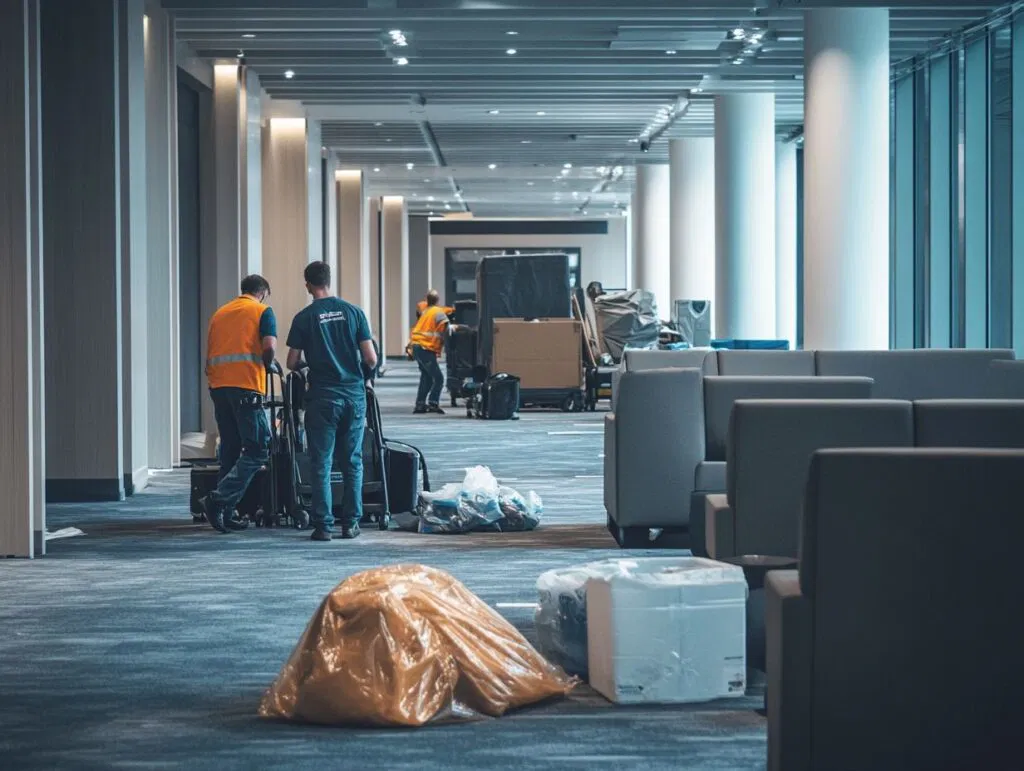
A professional crew clearing a large-scale venue after a corporate event in London

Why Efficient Turnarounds Are Important

Efficient turnarounds in event management are extremely important, especially in corporate conferences in London, where ensuring attendees have a great experience and meeting client expectations is key. A quick turnaround isn’t just about getting things done quickly; it’s also about maintaining high sanitation and waste management standards to ensure everyone’s health and safety.

A well-organised post-event cleanup can enhance delegate satisfaction and build positive community relations for future events.

By meticulously planning and executing all the logistical aspects—such as removing waste on time and thoroughly sanitising facilities—you’re setting yourself up for success. When you prioritise these elements, you not only adhere to regulations but also inspire confidence in attendees regarding their well-being.

The impact of a successful, efficient turnaround goes beyond happy delegates; it also enhances your organisation’s reputation. Attendees are more likely to return for future events, knowing they can rely on a safe environment and an unforgettable experience.

Pre-Event Preparation for Easy Cleanup

Thorough preparation is key to making the cleanup after your event a breeze. This means researching detailed event planning, effectively managing logistics, and creating a comprehensive checklist that covers everything from coordinating with suppliers to hiring equipment.

These steps will prepare for an easy post-event cleanup, meet client expectations, and enhance operational efficiency.

Planning and Organising for Smooth Cleanup

Planning your clean-up schedule is crucial for a smooth post-event experience. It helps all your team members understand their job assignments and responsibilities. Setting up a clear communication plan and ensuring everyone is trained can help you track resources effectively. This leads to a quicker turnaround and higher satisfaction among attendees and stakeholders.

A well-structured clean-up schedule not only boosts efficiency but also cuts down on confusion among the staff. When everyone knows what is expected, it promotes teamwork and accountability, creating a more organised environment during those hectic moments that often follow events.

Effective communication is the backbone of this process; it allows for quick adjustments and real-time feedback, which is essential in dynamic situations.

Investing in staff training prepares individuals to tackle their specific tasks confidently, ultimately contributing to a successful clean-up operation that helps maintain the event’s positive reputation.

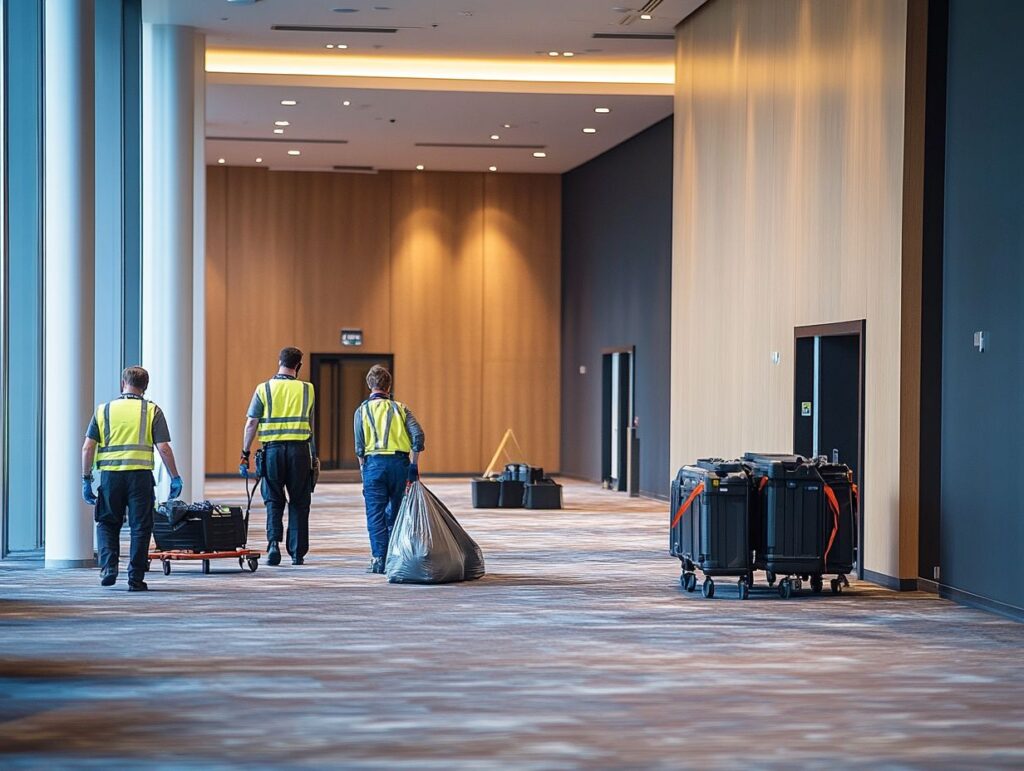
Garbage removal after a corporate conference in London

Best Practices for Post-Event Cleanup

Implementing best practices for post-event clean-up ensures all waste is managed efficiently and sanitation standards are met. This means bringing in a skilled clean-up crew that knows the ins and outs of recycling and proper waste disposal.

Additionally, it’s a good idea to set up performance metrics to evaluate the effectiveness of your clean-up strategies. This way, you can see what’s working and what might need a slight adjustment next time.

Proper Disposal of Waste and Recycling

Proper waste disposal and recycling aren’t just about following the law; they’re your way of showing commitment to the environment. When you ensure that rubbish is disposed of correctly and place recycling bins where they’re easy to find, you’re actively helping reduce waste and adhering to local regulations.

Both individuals and communities must adopt habits that lower their ecological footprint. Using designated collection points for recyclables such as cardboard, glass, and plastics can boost the chances that these materials are processed correctly instead of ending up in overcrowded landfills.

By understanding and following the guidelines set by local authorities, you can avoid fines and contribute to the bigger picture of sustainability. Furthermore, engaging in educational programmes about waste management can spark a sense of community responsibility, creating an atmosphere where sustainable practices can flourish.

Cleaning and Restocking Supplies

Cleaning and restocking supplies are crucial to your post-event clean-up process, ensuring the venue is ready for whatever comes next. By keeping an updated inventory of cleaning supplies and adhering to established cleaning protocols, you can achieve top-notch sanitation standards and enhance the overall experience for everyone attending.

This practice promotes health and safety and demonstrates your commitment to excellence in event management. Proactively restocking essential supplies, such as sanitisers, disinfectants, and cleaning tools, helps avoid last-minute scrambles and creates an environment where cleanliness is a priority.

Maintaining a detailed equipment inventory allows you to replenish supplies on time, minimising downtime and ensuring a well-prepared venue supports every future gathering. Focusing on thorough cleaning and efficient inventory management lays the groundwork for memorable and successful events.

Efficient Turnaround Strategies for Different Event Spaces

Your turnaround strategies will depend on the event space you’re working with—a ballroom, convention centre, or meeting room. It is essential to manage the venue effectively and get a solid grasp of the site layout.

This understanding is key for optimising your logistics planning, helping you achieve a quicker clean-up and a smooth transition between events.

Ballrooms and Convention Centers

Effective logistics are key to a smooth cleanup When dealing with large venues like ballrooms and convention centres. Having a well-trained cleanup crew on hand means they can navigate these spaces like professionals, ensuring everything runs efficiently and quickly, which is essential for keeping your clients happy.

It’s vital to employ specific strategies tailored for large event spaces. This helps your team manage timelines effectively while tackling the unique challenges of the layout. For example, strategically deploying crew members can reduce bottlenecks, allowing tasks like waste removal, floor cleaning, and resetting furniture simultaneously.

Using specialised equipment during the cleanup process speeds things up and ensures that the cleanliness standards meet the high expectations of various clients. By prioritising communication and coordination, your crew can adapt to whatever comes their way and keep everything running smoothly.

Meeting Rooms and Breakout Spaces

Managing the cleanup of meeting rooms and breakout spaces takes a different approach than larger venues. You’ll want to focus on quick space management and stick to a structured cleanup timeline. This way, you keep attendee satisfaction high and ensure the venue is ready for the next sessions without delays.

In these compact environments, every minute does count, especially since the transition from one group to another can happen in the blink of an eye. Effective cleaning protocols that allow minimal disruption while meeting hygiene standards are crucial.

You must also consider these spaces’ unique layouts and equipment; movable furniture and technology require careful handling.

Creating pre-established checklists helps streamline the cleanup process, ensuring every area receives the attention it needs. Don’t forget to sanitise high-touch surfaces and arrange seating to efficiently meet the new configuration needs.

Working with Professional Cleanup Services

Collaborating with professional cleaning services can enhance your post-event cleaning efforts. It’s not just about throwing out the rubbish; it has so many benefits.

Establishing service contracts and building strong relationships with suppliers can improve performance metrics and ensure that you’re meeting client expectations and sustainability goals.

Benefits and Considerations

Outsourcing your cleanup efforts to professional services pays off, improving efficiency and helping you manage costs effectively. It’s smart to weigh these benefits against things like supplier relationships and getting stakeholders on board to ensure your events turn out brilliantly.

When you consider this option, consider how these professional services can streamline your operations. This way, your internal teams can focus on what they do best while ensuring the cleanup happens quickly and smoothly.

Engaging stakeholders early in the process is key; it builds collaboration and transparency, enhancing trust and satisfaction. Plus, don’t forget to consider the long-term financial impact. Those initial costs might lead to savings by reducing resource waste and keeping your attendees content.

Balancing all these factors will help you make the best decision and achieve optimised results.

Tips for Maintaining Cleanliness During the Event

Keeping things clean during your event is extremely important—not just for hygiene but also to ensure everyone has a great experience. By using effective communication strategies and having staff dedicated to monitoring cleanliness, you can create a pleasant atmosphere that meets your clients’ expectations.

Preventing Excessive Mess and Damage

Preventing excessive mess and potential damage during events is key to keeping things running smoothly and staying compliant with health and safety standards. By training your staff thoroughly, setting clear cleaning protocols, and having a proactive emergency response plan, you can mitigate risks and set yourself up for a successful event.

Regular drills and scenario-based training can boost your team’s preparedness alongside these strategies. This way, they’ll be ready to respond swiftly and efficiently if something unexpected arises.

Encouraging open communication among team members creates a collaborative environment, ensuring everyone knows their responsibilities during the event. Furthermore, providing the right tools and resources can significantly minimise potential hazards. By prioritising these strategies, you’re laying the groundwork for a seamless event experience, reducing the chances of disruptions and maintaining a positive atmosphere for all your attendees.

How to Clean Office Whiteboards and Screens: Effective Techniques for Smudge-Free Surfaces

Whiteboards and screens are essential for brainstorming and presentations, but they can quickly become sloppy with marks, dust, and smudges. Professional office cleaners often concentrate on desks and single working stations and may overlook the larger presentation surfaces to the detriment of their service package.

This article covers the importance of keeping these surfaces pristine and provides a guide to effectively cleaning and maintaining them. Discover the needed materials, step-by-step techniques, and tips for keeping your office equipment in shape.

Essential Supplies for Effective Cleaning

Why Clean Office Whiteboards and Screens?

Keeping your office whiteboards and screens clean is key to maintaining a productive and inviting workspace. These surfaces are not just for presentations and brainstorming sessions; they also contribute significantly to overall office hygiene and visual clarity.

By regularly cleaning these areas, you’re boosting your space’s aesthetics and enhancing your communication and collaboration efforts. It’s a simple step that can make a difference in your office management routine.

The Importance of Clean Surfaces in the Workplace

Clean surfaces in your workplace, such as whiteboards and screens, are essential for effective communication and creating a pleasant atmosphere. When these tools are free from smudges, dust, and chalk residue, they make it easier for everyone to see and engage, which boosts productivity and gives off a professional vibe.

A clean environment can significantly shape how you feel about your workplace. A study by the American Cleaning Institute found that 94% of employees believe cleanliness impacts their morale, which relates to better performance.

When organisations prioritise cleanliness, they often see a 20% increase in productivity. This shows that when surfaces are well-maintained, communication improves, and collaboration among team members becomes smoother.

A tidy workspace reduces distractions, allowing you to focus better and achieve more effective results. Ultimately, embracing cleanliness helps create an atmosphere where professionalism and productivity can flourish.

Proper Methods for Different Types of Screens

Materials Needed for Cleaning

To effectively clean your office whiteboards and screens, you’ll want to gather specific materials that guarantee a streak-free and smudge-free finish. The right cleaning supplies are key—think microfibre cloths and eco-friendly cleaners.

Without damaging surfaces, these can handle everything from stubborn marker stains to dust build-up.

Essential Supplies for Effective Cleaning

You’ll want to stock up on essential supplies for effective cleaning: microfibre cloths, isopropyl alcohol, vinegar, and spray bottles filled with water. Each item has a unique role in creating a clean and sanitised space, helping keep your workspace clean and hygienic.

Microfibre cloths are your best friends for trapping dust and dirt without needing harsh chemical cleaners—talk about effective and eco-friendly! Isopropyl alcohol is a powerful disinfectant that can zap various germs, making it perfect for sanitising hard surfaces. And don’t forget about vinegar; it doubles as a natural deodoriser and stain remover.

If you’re looking for greener options, many brands offer plant-based cleaners that can replace traditional harsh chemicals, a great way to reduce your environmental impact. To get the most out of these supplies, dampening your microfibre cloths slightly before use boosts their dirt-trapping powers. And remember to ventilate your area when using isopropyl alcohol to keep things safe.

Preparing the Surfaces for Cleaning

Preparing the surfaces for the best results is essential before you start cleaning. Start by removing any excess ink from the whiteboards and dust from the screens. This small step can enhance the effectiveness and techniques of your cleaning products.

Trust me, you’ll thank yourself later!

Removing Excess Ink and Dust

Removing excess ink and dust is crucial in your cleaning routine because it sets the stage for a thorough and effective cleaning. Start by gently grabbing a soft cloth or eraser to remove visible marks or dust. This way, you’ll ensure the surface is ready for deeper cleaning.

Moreover, microfiber cloth can enhance your results on more delicate surfaces, such as screens and printed materials. If you’re dealing with stubborn ink stains, dab a bit of surgical spirit on a cotton bud, and you should see some progress.

Make regular cleaning a priority. Adopting a weekly schedule prevents things from piling up and helps protect the integrity of your surfaces, maintaining their appearance and longevity. Using specific techniques for different materials ensures a comprehensive cleaning process that leaves your spaces immaculate and professional.

Techniques for Cleaning Whiteboards

You must use the proper techniques to achieve a smudge-free, sparkling-clean whiteboard. Knowing the best practices for whiteboard maintenance helps it last longer and ensures it remains a functional and effective tool in your workspace.

Step-by-Step Instructions for a Smudge-Free Surface

Follow these simple steps to achieve a smudge-free surface on your whiteboard: Gather your cleaning supplies and erasers, then dive into these effective cleaning methods.

  1. First, grab a quality whiteboard cleaner or whip up a DIY solution with equal water and vinegar. Dampen a microfibre cloth with the cleaner—it will help you tackle dirt without scratching the surface.
  2. You can gently rub stubborn stains with isopropyl alcohol or use a dedicated stain remover.
  3. Remember to use the right erasers; you want to protect your board, not damage it.

Regular cleaning—ideally once weekly—keeps your whiteboard clear and bright, making it perfect for writing and erasing. Plus, a surface protector can help it last longer by guarding against persistent marks.

Techniques for Cleaning Screens

Cleaning your screens requires finesse to keep them smudge-free and functioning beautifully. The right techniques for caring for your electronics can help you achieve a clearer view of your display and help your office equipment last longer.

Proper Methods for Different Types of Screens

The right methods for cleaning screens depend on the surface you are dealing with. Using appropriate cleaning techniques to remove residue effectively without damaging your electronics is extremely important.

For example, LED screens require specific care to avoid those annoying streaks and scratches. Thus, using a microfiber cloth dampened with a recommended solution is essential. Similarly, LCD displays can be sensitive to harsh chemicals, so you should only use products designed for electronics. Plasma screens are even more delicate, so cleaning them with an ultra-soft cloth is best to avoid abrasions.

Always ensure that your cleaning solution is compatible, no matter what type of screen you have. Using the wrong products can cause permanent damage and affect performance over time.

Maintaining Clean Surfaces

Keeping your office surfaces clean is all about having a consistent cleaning schedule and using a few proactive tips to ensure your whiteboards and screens look their best.

Regular maintenance is crucial; it boosts office hygiene and helps create a more productive working environment for you and your team.

Tips for Keeping Whiteboards and Screens Clean

Try these practical tips on regular upkeep and office hygiene to keep your whiteboards and screens looking sharp. By implementing these strategies, you can seriously boost the cleanliness and organisation of your workspace.

Regular cleaning doesn’t just make everything look nice; it also creates a healthier environment, which helps reduce distractions and encourages productivity. Start by setting up a cleaning schedule that matches how often you use your space so those high-traffic areas get the attention they need more often.

Organising your workspace is key, too. Grab some organisers and storage solutions to reduce clutter, making it much easier to clean surfaces. Microfibre cloths and the right cleaning solutions will help you keep your office equipment in top shape, allowing you to create a more efficient and welcoming workspace for everyone.

Check our latest article on how to communicate effectively with high-level corporate executives!

How to Create Customised Cleaning Schedules for London Corporate Clients

In the bustling corporate landscape of London, maintaining a pristine environment is crucial for businesses aiming to impress clients and foster a productive atmosphere. For such high-end, high-maintenance customers, the one-size-fits-all cleaning solutions often fall short.

This article explores the unique cleaning challenges faced by corporate clients and highlights the importance of developing customised cleaning schedules that align with their specific needs. From assessing frequency and scope to effective communication and adjustments, discover how tailored cleaning strategies can increase efficiency, cost savings, and client satisfaction.

London Corporate Clients And Their Cleaning Expectations – Overview

Understanding the needs of your London corporate clients is key to creating effective cleaning services that fit their specific business requirements. By focusing on what they uniquely need, you can enhance their business efficiency and ensure every part of your cleaning solution aligns perfectly with their operational goals.

Identifying Common Cleaning Challenges

Identifying the common cleaning challenges you face as a corporate client is key to delivering effective office maintenance solutions that meet hygiene standards and create a healthy working environment.

You often have to balance strict hygiene standards with environmental cleaning expectations. Many organisations struggle to implement sustainable practices that meet cleanliness requirements and appeal to environmentally conscious clients. This can decrease client satisfaction, especially as businesses increasingly lean towards eco-friendly solutions.

Not adhering to these standards can slow your operations, increasing downtime and higher costs. By tackling these common issues, service providers can enhance their offerings and build stronger relationships with you, ultimately boosting workplace morale and productivity.

Factors to Consider for Customised Schedules

When developing customised cleaning schedules, consider a few factors. Consider how often cleaning is required, client feedback, and what’s laid out in those service-level agreements. This approach helps ensure everyone is happy.

It is key to regularly check how often each location needs some TLC. These insights can help you establish more effective cleaning intervals that align with your clients’ expectations. Additionally, incorporating client input creates a collaborative atmosphere that enhances their overall experience.

Those service level agreements are your guide for measuring performance and accountability. They set clear standards that contribute to your operational success. By focusing on these elements, you’re boosting client satisfaction and streamlining your cleaning process to ensure consistent quality and reliability in all your services.

Developing a Customised Cleaning Schedule

Creating a customised cleaning schedule means knowing your client’s operational needs.

It’s all about crafting tailored cleaning plans incorporating effective cleaning protocols to boost efficiency and hygiene.

Assessing Frequency and Scope of Cleaning

Assessing how often and thoroughly you clean is key to ensuring every area receives the attention it deserves. Don’t forget about those deep cleaning tasks that arise periodically—they’re essential for maintaining excellent hygiene standards.

It’s essential to recognise that different spaces require different levels of cleaning to stay on point. For example, high-traffic areas like entrances and toilets need more frequent cleaning to keep dirt and germs at bay. In contrast, those less-visited spots can be cleaned less often without sacrificing cleanliness.

Tracking performance metrics, such as the number of illnesses or how visibly clean certain areas are, can provide valuable insights into how often cleaning tasks should be carried out. Using these assessments, you can establish effective cleaning schedules that ensure optimal hygiene levels throughout your space.

Incorporating Client Preferences and Requirements

Incorporating your client’s preferences into your cleaning strategies is essential for creating bespoke cleaning solutions that perfectly match their needs and expectations.

You can gain valuable insights into their priorities, lifestyle habits, and cleaning requirements by actively communicating with them. This proactive approach builds trust and helps you conduct a thorough needs assessment, leading to a more personalised experience.

When you tailor the cleaning schedule to their needs, you ensure that areas needing extra attention are prioritised, and you can seamlessly integrate any specialised services. Ultimately, this thoughtful customisation boosts overall satisfaction, showing that understanding and meeting your customers’ preferences is the key to successful cleaning services.

Implementing and Maintaining the Schedule

Implementing and adhering to the cleaning schedule ensures that every service aspect is delivered exactly as promised. You will need to communicate effectively with your clients and keep a close eye on performance so you can make any necessary adjustments.

Communication and Coordination with Clients

Effective communication and client coordination are key to building trust and ensuring that expectations are consistently met during cleaning.

When you prioritise open dialogue, you clarify the client’s needs and demonstrate your commitment to delivering first-rate service. This proactive approach enables you to address any concerns swiftly, creating a more responsive atmosphere. Keeping the lines of communication open encourages clients to provide feedback, which is extremely valuable for enhancing service quality and managing relationships.

By establishing these transparent channels, you reassure clients that their priorities are respected and valued, reinforcing their trust and loyalty over time—essential for long-term partnerships.

Monitoring and Adjusting the Schedule

Monitoring and adjusting your cleaning schedule based on client feedback is essential for continuously improving and adapting to changing needs.

This means keeping the lines of communication open with your clients to gather their insights about their experiences and expectations. By setting up a systematic way to collect feedback, you can pinpoint specific areas that need adjustments, whether increasing frequency in certain areas or tackling specific concerns they’ve mentioned.

With these insights, your team can analyse performance metrics and make strategic changes that enhance operational excellence.

Taking a proactive approach enhances client satisfaction and helps your team streamline their workflow and optimise resource allocation. Ultimately, this leads to a more efficient cleaning schedule consistently meeting your clients’ evolving demands.

Benefits of Customised Cleaning Schedules

When you create customised cleaning schedules, you’re not just making your space cleaner but also boosting client satisfaction, improving employee productivity, and making your operations more cost-effective. It’s a win-win all around!

Efficiency and Cost Savings

One of the main advantages of customised cleaning schedules is the increase in efficiency they bring to your operations. This leads to significant cost savings that allow you to allocate resources more effectively.

By tailoring your cleaning routines to fit specific operational needs, you can more efficiently use your personnel and equipment. For example, if you have a facility with high foot traffic, you might require more cleaning during peak hours, while quieter times permit fewer staff on hand.

This clever approach optimises your use of cleaning supplies and reduces overtime labour costs. Customised schedules allow your maintenance teams to tackle high-priority areas first, ensuring that your resources go precisely where needed.

As a result, your cleaning operations become smoother, enhancing overall productivity and reducing waste.

Improved Client Satisfaction and Retention

Adopting customised cleaning schedules directly results in improved client satisfaction. This leads to greater client retention and gives you a strong competitive edge through effective service differentiation.

By tailoring your cleaning services to fit individual preferences and needs, you create a more personalised experience that resonates with your clients. This thoughtful approach builds loyalty and opens the door for ongoing feedback, allowing clients to share their thoughts and suggestions.

When you incorporate this feedback into your future schedules, you refine your service even further, making it unique and better aligned with what your clients expect. Using these strategies, you can enhance your offerings and position yourself as responsive and client-focused, boosting satisfaction and retention rates in an increasingly competitive market.

Why I Love Cleaning For Start-ups

You cannot be picky about your customers when you are in the office cleaning industry in a uber-competitive city like London. You have to approach each job with identical levels of professionalism and attention to detail – otherwise, you will quickly lose your customer base.

It does not mean, however, that you cannot have favourites – I certainly do. And I will give you my top three reasons why I prefer cleaning for start-ups.

A Thoroughly Positive Vibe

There is something about a small-team working atmosphere fighting for a breakthrough that you can’t compare to anything else. I always leave such offices pumped up by the positive energy and optimism of these young people who believe they can change the world. You will hardly find the cynical, cut-throat attitude of the corporate sharks there.

The Friendly Attitude

Don’t get me wrong – corporate office managers are always polite and well-mannered. But they do it because they are supposed to. For over a decade in the industry, I haven’t had a single normal, humane conversation with a corporate officer in charge of maintenance. They see you as a tool, a sum of zeros and ones in an Excel spreadsheet. 

I rarely leave a start-up office without being offered coffee, tea or a soda drink. God forbid someone has a birthday – my blood sugar takes a massive hit for sure. And I have heard a word or two if my team has lost during the weekend…

It is just easier

Yes, office cleaning for start-ups pays significantly less. But I love it when I see those appointments on my schedule – it’s like having the easiest class in school!