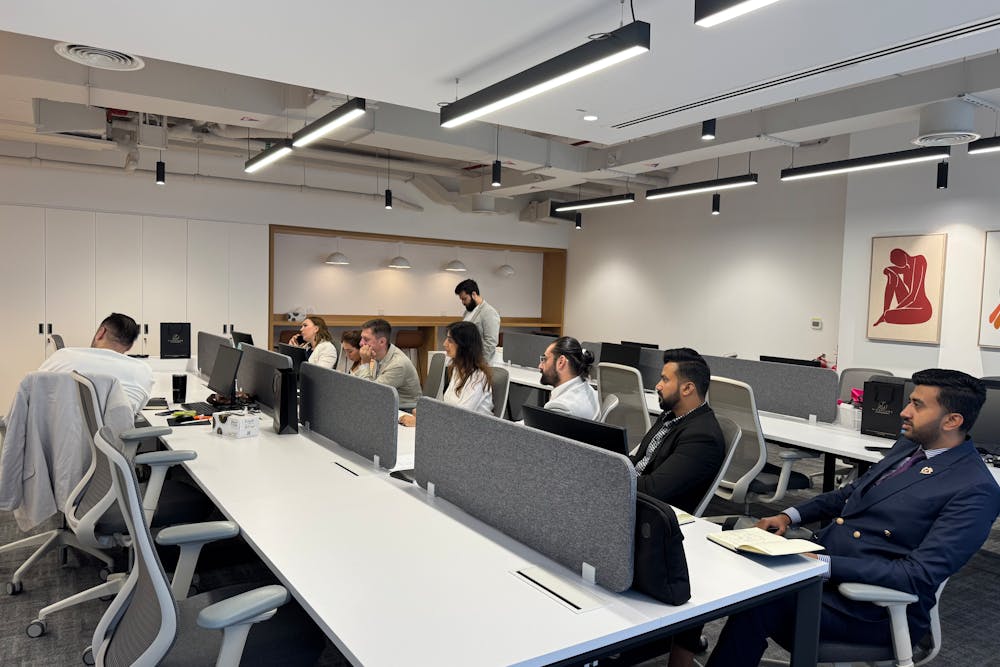
Walk through almost any mid-sized office in the City, Canary Wharf, or Shoreditch on a Tuesday morning and you will see the same scene: a steady flow of people arriving, scanning a booking app, dropping a bag, logging in, and settling at a desk that three different colleagues occupied yesterday. Hot-desking is no longer an experiment or a cost-cutting measure – it is simply how a large proportion of London’s workforce now operates. For facilities managers, that reality brings a hygiene challenge that conventional office cleaning models were never designed to address. This article sets out what robust, compliant, and practical hot-desking hygiene looks like in 2026, and why getting it right matters more than ever.
Why Hot-Desking Creates Unique Hygiene Challenges
A fixed desk, used by one person, accumulates contamination gradually and predictably. A hot desk, occupied by four or five different people in a single working day, is an entirely different proposition. Every new user brings different hands, different habits, and – on any given day – a different health status. Keyboards, mice, monitor adjustment buttons, desk surfaces, and chair armrests become high-frequency touchpoints reset between users by nothing more than a logged-out screen. Standard end-of-day cleaning schedules, designed around the fixed-desk model, are simply not sufficient in this context.
The Numbers Behind the Risk
Research into surface survival rates for common pathogens makes sobering reading. Rhinovirus – responsible for the common cold – can remain viable on hard surfaces for up to 24 hours. Influenza A survives for comparable periods on non-porous surfaces under typical indoor conditions. Norovirus can persist for days. In a shared workstation context, these are not abstract statistics: they translate directly into cross-contamination risk every time a new user sits down. Studies examining absenteeism in hot-desked open-plan offices consistently show elevated rates of respiratory and gastrointestinal illness compared with fixed-desk equivalents – figures with real operational and duty-of-care weight for London facilities managers.
London’s Hybrid-Work Landscape in 2026
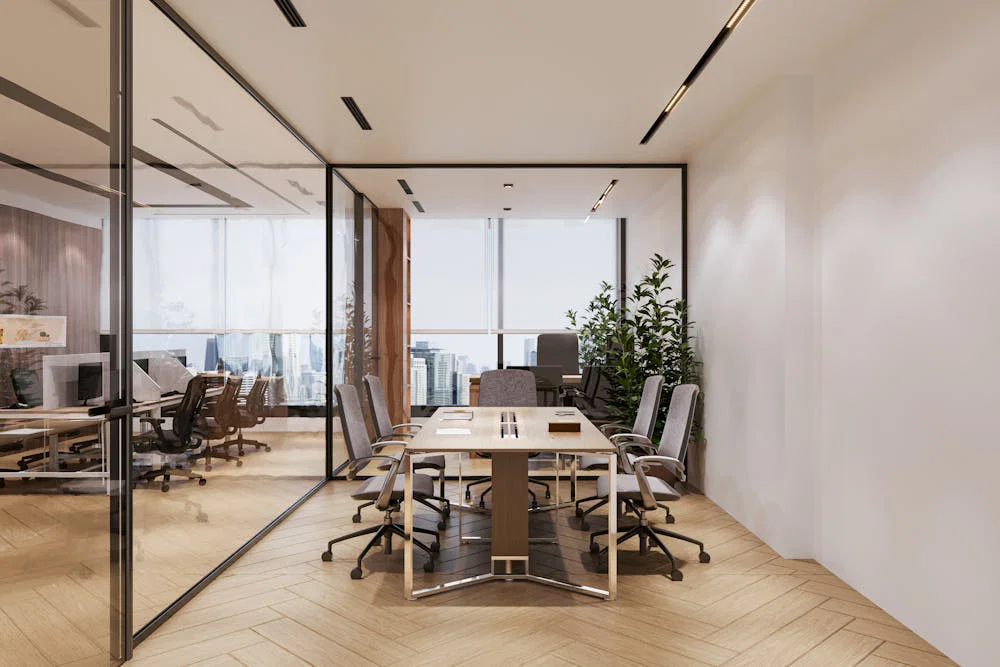
Greater London now hosts one of the densest concentrations of flexible and hybrid workspace in Europe. From co-working towers on the South Bank to boutique serviced offices in Fitzrovia and large corporate campuses across the outer boroughs, desk-sharing has become the structural default across sectors ranging from financial services to technology, media, and the public sector. Post-pandemic workspace design – agile, activity-based, and deliberately under-assigned – has embedded hot-desking at the building level rather than the team level. Facilities managers are no longer overseeing a handful of overflow desks: in many buildings across Greater London, they are managing entire floors, or entire sites, on a fully shared-use basis.
The Core Hot-Desking Hygiene Protocols Every FM Should Implement
Effective hot-desking hygiene is not a single intervention – it is a layered system. Three distinct cleaning levels must work in concert: between-user cleaning, end-of-day professional cleaning, and periodic deep cleans. Each serves a different purpose, and no single layer can compensate for the absence of another. Together, they provide the consistent contamination control that shared workstations require.
Between-User Cleaning: The 60-Second Desk Reset
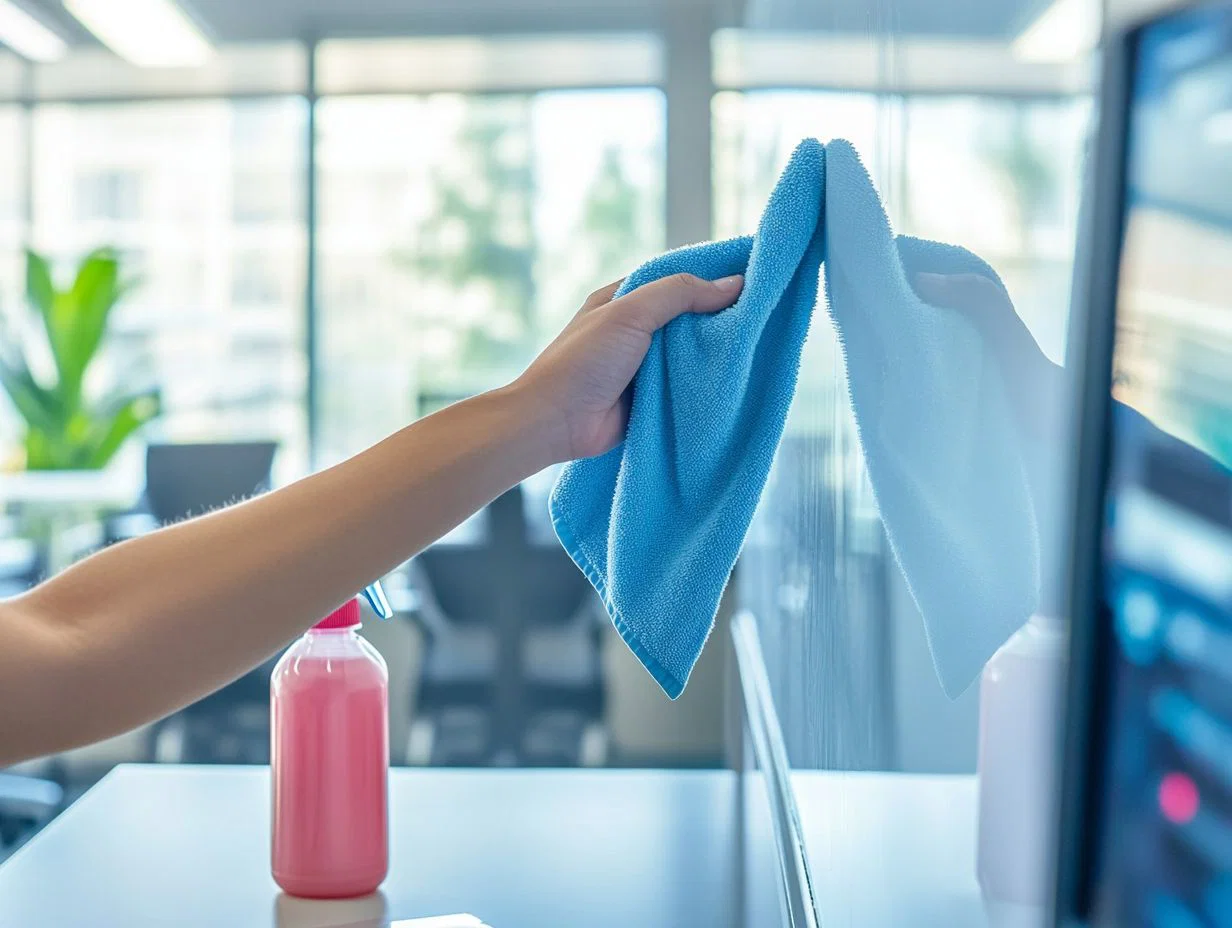
The most time-critical layer is also the one that relies most on the desk user themselves. A practical between-user protocol should take no longer than 60 seconds and cover the highest-risk touchpoints: keyboard, mouse, desk surface, screen edges, and chair armrests. This is not professional cleaning – it is contamination interruption, and it only functions if the means to do it are immediately at hand.
Hygiene stations at every desk pod – stocked with antibacterial wipes, screen-safe spray, and hand sanitiser – are the infrastructure that makes this workable. Placement is critical: supplies that require a user to walk to a communal point at the other end of the floor will not be used consistently. Visible, accessible, and reliably stocked is the standard to maintain.
End-of-Day Professional Cleaning Protocols
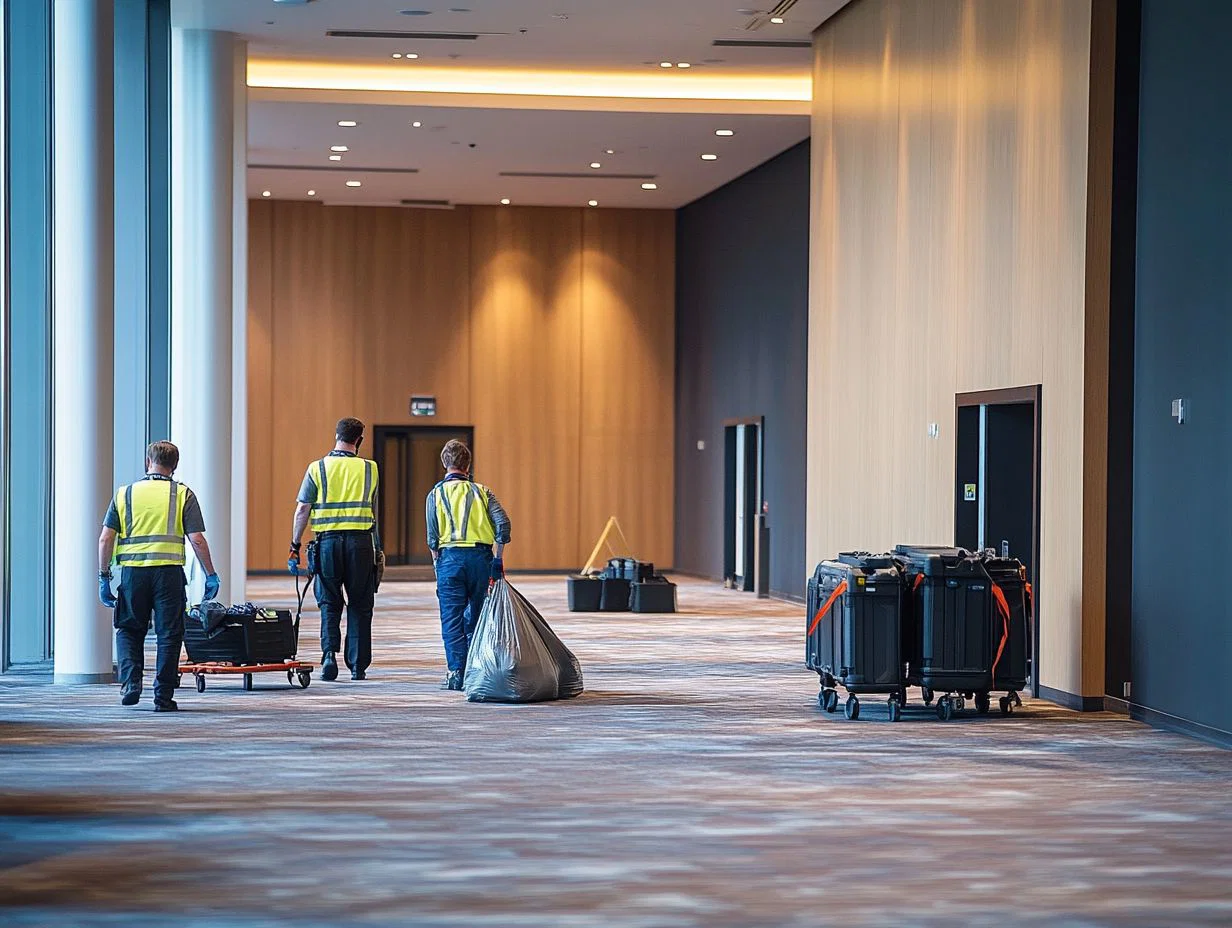
Contracted cleaning teams working on hot-desk floors should be operating to a markedly higher specification than standard office cleaning. Every workstation surface requires disinfection with a virucidal product – not a general-purpose surface cleaner. Keyboards and mice should be treated individually. Monitor adjustment buttons and bezels, phone handsets where present, and under-desk surfaces and cable management trays all require proper attention.
Cleaning sequence is as important as product choice. Working clean to dirty, and top to bottom, prevents the recontamination of already-treated surfaces – a discipline standard in clinical environments but inconsistently applied in commercial settings without proper training and supervision. Facilities managers commissioning cleaning contracts for hot-desk environments should ensure this sequencing is explicitly specified in the scope of work and regularly audited.
Scheduled Deep Cleans: Frequency and Focus Areas
End-of-day cleaning, however thorough, cannot reach everything. Chair mechanisms, partition screens between desk pods, the undersides of desk surfaces, and the hot-desk booking terminals or touchscreens that every user interacts with before sitting down all accumulate contamination over time that daily routines do not adequately address. A deep-clean cycle – monthly at minimum, and fortnightly in high-churn, high-occupancy environments – should target these areas specifically. Air vents positioned above workstation clusters are frequently overlooked: they distribute air directly over desk surfaces and, if heavily fouled, can actively undermine the surface cleaning being carried out below them. Incorporating them into the deep-clean scope is a small step with a meaningful impact on the overall protocol.
Products, Standards, and Compliance in 2026
Choosing the Right Disinfectants for Shared Workstations
Not all disinfectants perform equally, and product selection for hot-desk environments requires considerably more care than reaching for the nearest available option. Facilities managers should specify products carrying EN 14476 certification, which confirms virucidal efficacy under recognised European testing standards. Surface compatibility is a practical consideration that is easy to overlook: many modern office desk and chair materials use soft-touch or matte finishes that degrade under certain formulations, and screens require products specifically tested for use on display surfaces.
For large open-plan hot-desk floors, electrostatic sprayers are increasingly deployed by professional cleaning teams to achieve consistent, efficient coverage across workstation clusters – particularly useful in buildings where the ratio of desks to available cleaning time is demanding. Used with EN 14476-certified products, they represent a genuine efficiency gain without compromise to hygiene standards.
Staying Compliant with HSE and COSHH Requirements
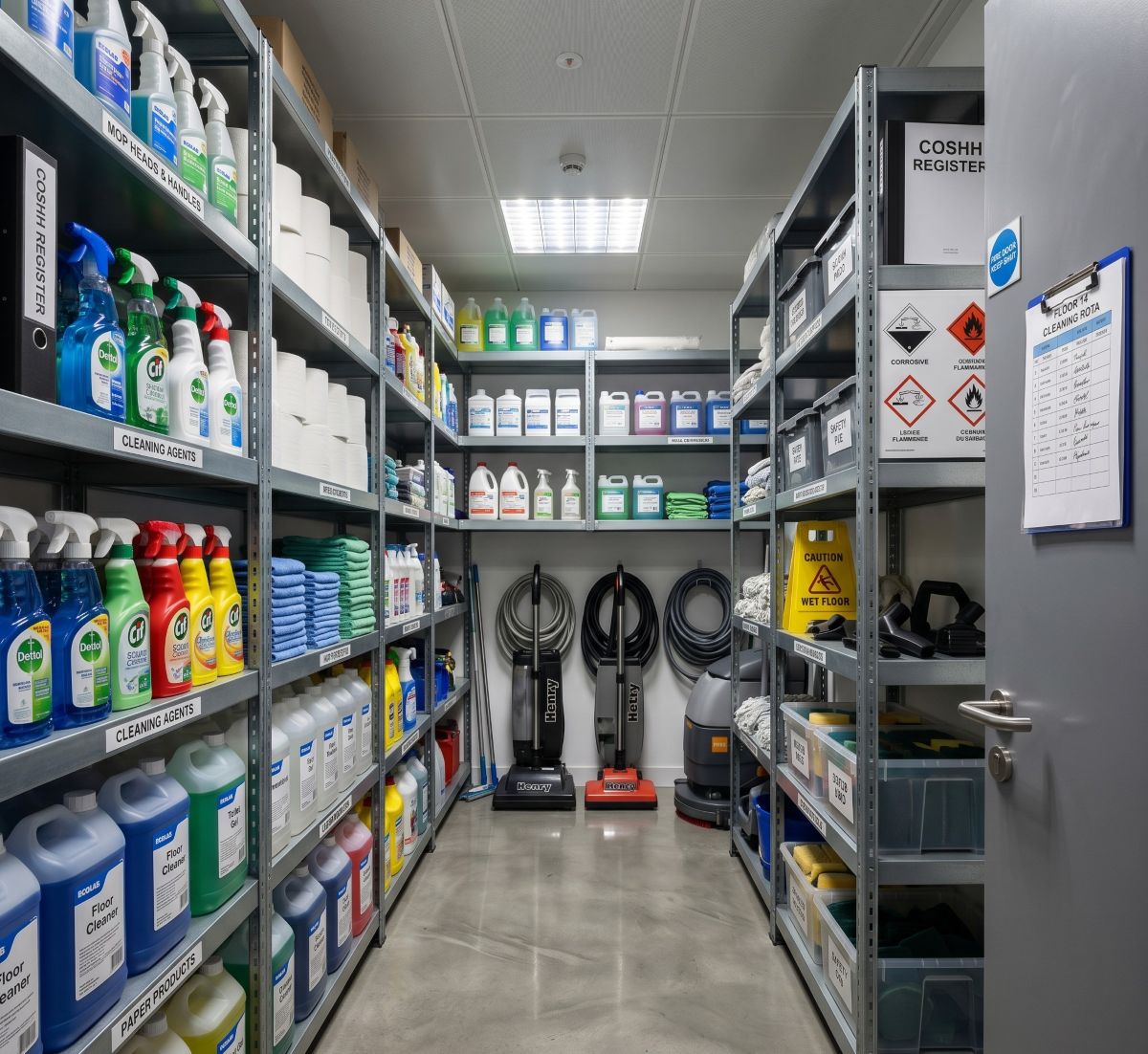
Facilities managers have a clear duty of care under the Health and Safety at Work Act 1974 and the Control of Substances Hazardous to Health Regulations 2002 – commonly referred to as COSHH. Where cleaning staff handle chemical disinfectants, appropriate COSHH assessments must be in place, products must be stored and used in accordance with their safety data sheets, and staff must receive adequate training.
In partially occupied offices – where cleaning takes place during or immediately after working hours – additional considerations apply: ventilation requirements, resident staff awareness, and appropriate drying times all need careful management. These are not bureaucratic formalities. They represent the minimum standard of responsible facilities and contractor management under UK law.
Booking Systems, Occupancy Data, and Smarter Cleaning Schedules
Working with Desk Booking Software to Prioritise Cleaning Zones
One of the more underutilised tools available to London facilities managers in 2026 is the occupancy data generated by hot-desk booking platforms. Systems widely deployed across Greater London’s corporate and co-working sectors log which desks are used, when, and how frequently – and that data is directly actionable from a cleaning perspective.
High-occupancy zones can be scheduled for priority or more frequent attention. Desks unused for several consecutive days can be deprioritised without compromising standards elsewhere. Evidence of cleaning activity can be logged against booking records, creating an auditable compliance trail increasingly expected by corporate tenants and property managers. Integrating occupancy data into cleaning schedules improves both resource allocation and building-wide accountability – and in 2026, there is little reason not to be doing it.
Staff Expectations and Shared Responsibility
Professional cleaning provides the essential foundation, but the hygiene of a hot-desk environment depends partly on the behaviour of the people using it. Building a culture of shared responsibility requires the right infrastructure and the right communication.
Setting Up Hygiene Stations That Actually Get Used
The most common failure mode for between-user hygiene is not unwillingness – it is inadequate infrastructure. Wipe dispensers that are regularly empty, sanitiser points placed at inconvenient distances from desk clusters, and products that are unpleasant in use all contribute to low compliance rates. Restocking checks incorporated into daily cleaning team rounds – rather than treated as a separate or occasional task – maintain the baseline that makes the between-user layer function effectively.
Communicating Protocols to Building Occupants
Clear, well-placed signage at each desk pod consistently outperforms lengthy written policy. A short visual prompt – what to wipe, where to find supplies, what to do before leaving a desk – works for every building user regardless of how familiar they are with the specific workspace. Framing hygiene as a shared workplace standard, rather than a rule to be enforced, tends to produce stronger and more sustained compliance across diverse and frequently rotating building populations.
Choosing the Right Commercial Cleaning Partner in London
Not every commercial cleaning contractor is equipped to handle the specific demands of a hot-desking environment. General office cleaning experience is a baseline, not a qualification. Facilities managers sourcing cleaning provision for flexible workspaces should look for demonstrated experience with high-churn, multi-occupancy floors; explicit use of EN 14476-certified products; scheduling flexibility responsive to occupancy data and variable desk-use patterns; and clear reporting and accountability mechanisms built into the contract.
Across Greater London’s varied and often complex building stock – from converted warehouse space in Bermondsey to modern tower floors in the City – the right cleaning partner will understand that a standardised, one-size-fits-all approach rarely fits any site, and will develop a specification that genuinely reflects the operational realities of each building.
Conclusion
Hot-desking hygiene in 2026 is not a peripheral facilities management concern – it is a central one. The volume of people moving through shared workstations across Greater London every day creates contamination risks that demand structured, layered, and consistently delivered protocols to manage effectively. Facilities managers who combine professional cleaning rigour with smart use of occupancy data, well-maintained hygiene infrastructure, and occupant communication that actually works are the ones whose buildings earn and hold the trust of the people who use them. In London’s competitive commercial property market, that trust is not incidental – it is a material asset.